

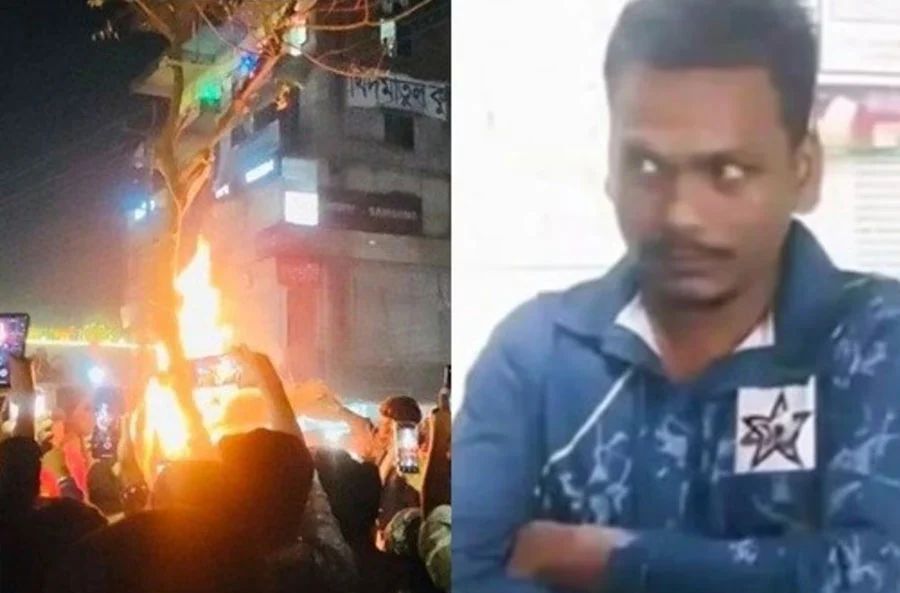

The lynching of a 27-year-old Hindu man, Dipu Chandra Das, in Bangladesh’s Mymensingh has led to protests in several Indian cities. Relations between India and Bangladesh have witnessed a deterioration after protests outside Indian missions in Bangladesh, followed by reports of atrocities on minorities in the country.
This includes the lynching of a 27-year-old Hindu man, Dipu Chandra Das, in Bangladesh’s Mymensingh. The incident has led to protests near Bangladesh missions in India. Both countries have summoned each other’s envoys, amid security concerns at the high commissions in Bangladesh and India. The security situation in the neighbouring country, which has already been tense since the ouster of former Bangladesh prime minister Sheikh Hasina, worsened after the killing of prominent youth leader Sharif Osman Hadi.
However, in India, the agitations followed the brutal lynching and killing of a Hindu man in Mymensingh by a mob. At least seven Indian cities saw people turn out in huge numbers to protest the killing. These include New Delhi, Kolkata, Bhopal, Jammu, Agartala, Mumbai and Hyderabad. 27-year-old Dipu Chandra Das was killed by a mob in Bangladesh, his body tied to a tree and set on fire after being lynched last week. Gut-wrenching videos, purportedly of the incident, have flooded social media.
The incident took place on the night of December 18, along the Dhaka-Mymensingh highway in the Jamirdia Dubaliapara area. According to a Dhaka Tribune report, police investigations and family members’ and local representatives’ accounts suggest a workplace dispute was the trigger for the lynching.
Dipu’s family said he had recently attempted a recruitment examination for promotion from floor manager to supervisor, which led to disputes with several colleages. Das was fired from his job on the afternoon of December 18, which allegations of insulting religion levelled against him, claims that police said are not backed by any evidence.
Dipu’s brother, Apu Robi Das, told Dhaka Tribune that his brother was beaten and thrown out of the factory, and was not spared despite him apologising. The victim’s brother said Dipu’s friend had called him and said that Dipu had been taken to the police station for allegedly making derogatory remarks about the Prophet Muhammad.
“A short while later, he called again and said my brother was dead,” Apu said, adding that when he reached the scene, he found his brother’s body charred.
Protests in Indian cities, formal protests in missions
The Bangladesh interim government has arrested seven people in connection with the lynching, and condemned the incident. On Tuesday, Bangladesh education adviser C R Abrar visited the victim’s family on behalf of the government, offering sympathy and assurances of support. However, demonstrations took place in New Delhi, Kolkata, Mumbai, Hyderabad, parts of Madhya Pradesh and Agartala. Hindu organisations staged protests near Bangladeshi missions and called for protection of minorities in the neighbouring country. Apart from the protests on the streets, formal protests were lodged as both India and Bangladesh summoned each other’s envoys.
India’s High Commissioner to Bangladesh, Pranay Verma, was summoned to Dhaka by Bangladesh’s foreign secretary Asad Alam Siam. Siam raised concern regarding the demonstrations outside the Bangladesh High Commission in New Delhi and vandalism at the country’s visa centre in Siliguri. Bangladesh’s High Commissioner in India, Riaz Hamidullah, was also called to the external affairs ministry, where Indian officials called for proper investigation into the killing of Bangladeshi student leader Sharif Osman Hadi. The officials further cautioned against unsubstantiated claims suggesting blaming India for the death.
