

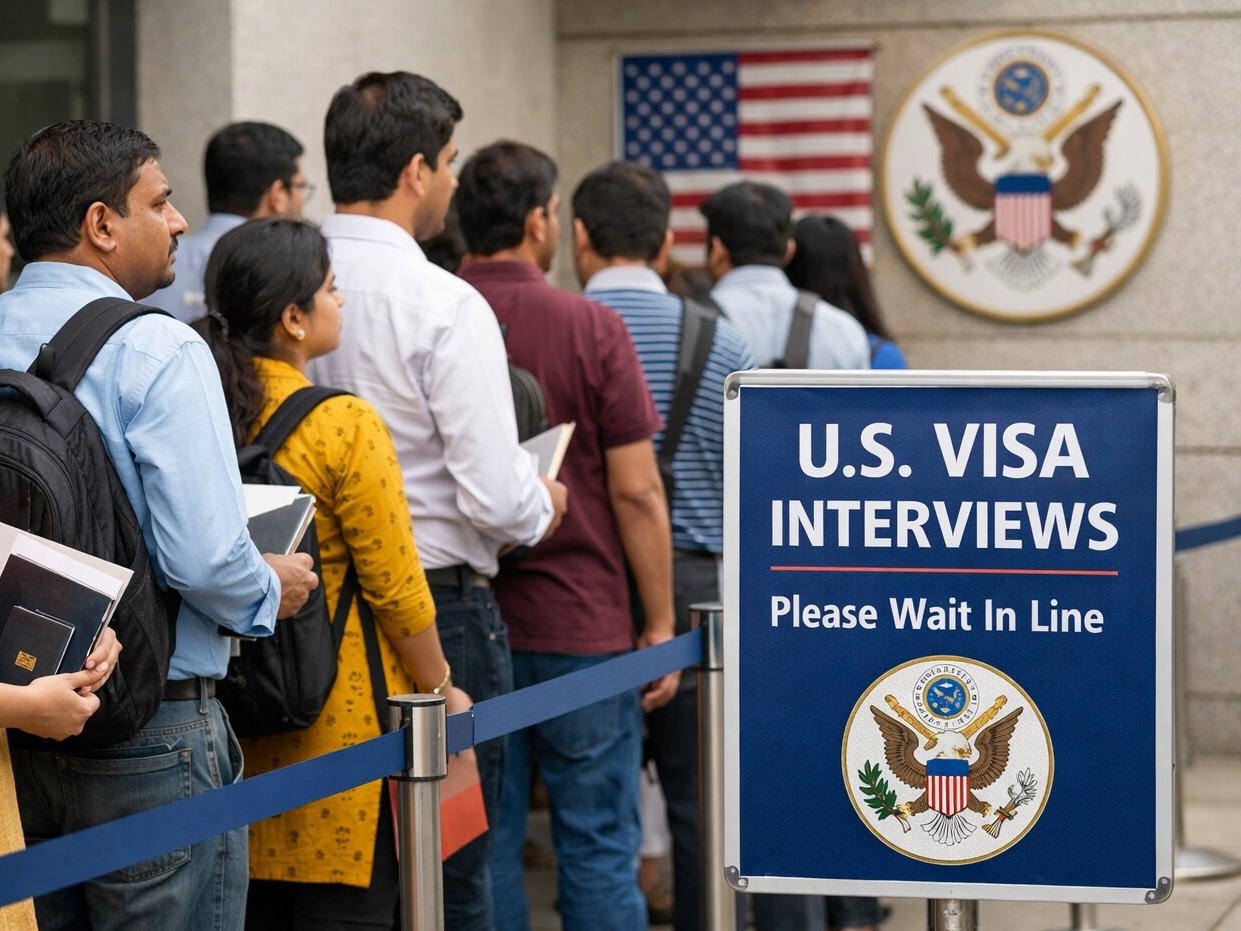

According to a US State Department order, issued on January 8, 38 countries will now be required to pay a bond while applying for a US visa. The US Embassy in Dhaka has announced that the B1 and B2 visa applicants will be required to pay a bond of up to $15,000 as part of the visa requirements from January 21.
The $15,000 bond for Bangladeshi travellers come after the Trump administration expanded a policy that requires some foreign travellers to pay a hefty security deposit before entering the US. According to a US State Department order, issued on January 8, 38 countries will now be required to pay a bond while applying for a US visa.
“Starting January 21, 2026, all Bangladeshis approved for a B1/B2 (business/tourist) U.S. visa must pay a bond of up to $15,000. This requirement does not apply to people holding a valid B1/B2 visa issued before January 21, 2026,” the US Embassy in Dhaka said in a social media post. B1 and B2 are non-immigrant visas for those who are visiting US temporarily for business, tourism or a short visit. Apart from Bangladesh, the countries in the new mandate are African and Latin American nations.
The embassy also cautioned applicants against paying bonds in advance, saying that the bond doesn’t guarantee a visa. “Do NOT pay your bond in advance. Paying early does not guarantee you a visa, and third-party sites can be scams. Any payment made before your interview is NOT refundable. The bond will be returned if you respect the terms of your visa,” the social media post read.
Why US imposed visa bonds?
The change is part of Trump’s administration to crack down on immigration and impose stricter conditions on international visitors to the US. Apart from the visa bonds, which comes into effect on January 21, the Trump administration has already announced mandatory in-person visa interviews, extensive social media vetting, and detailed information about applicants’ travel histories and living arrangements.
US officials have argued that the bond system helps discourage visitors from overstaying their visas. According to critics, the policy places the visa process far beyond the financial reach of many applicants, thus limiting the number of applicants. However, the authorities have said that the payment functions as a compliance guarantee rather than a fee.
