

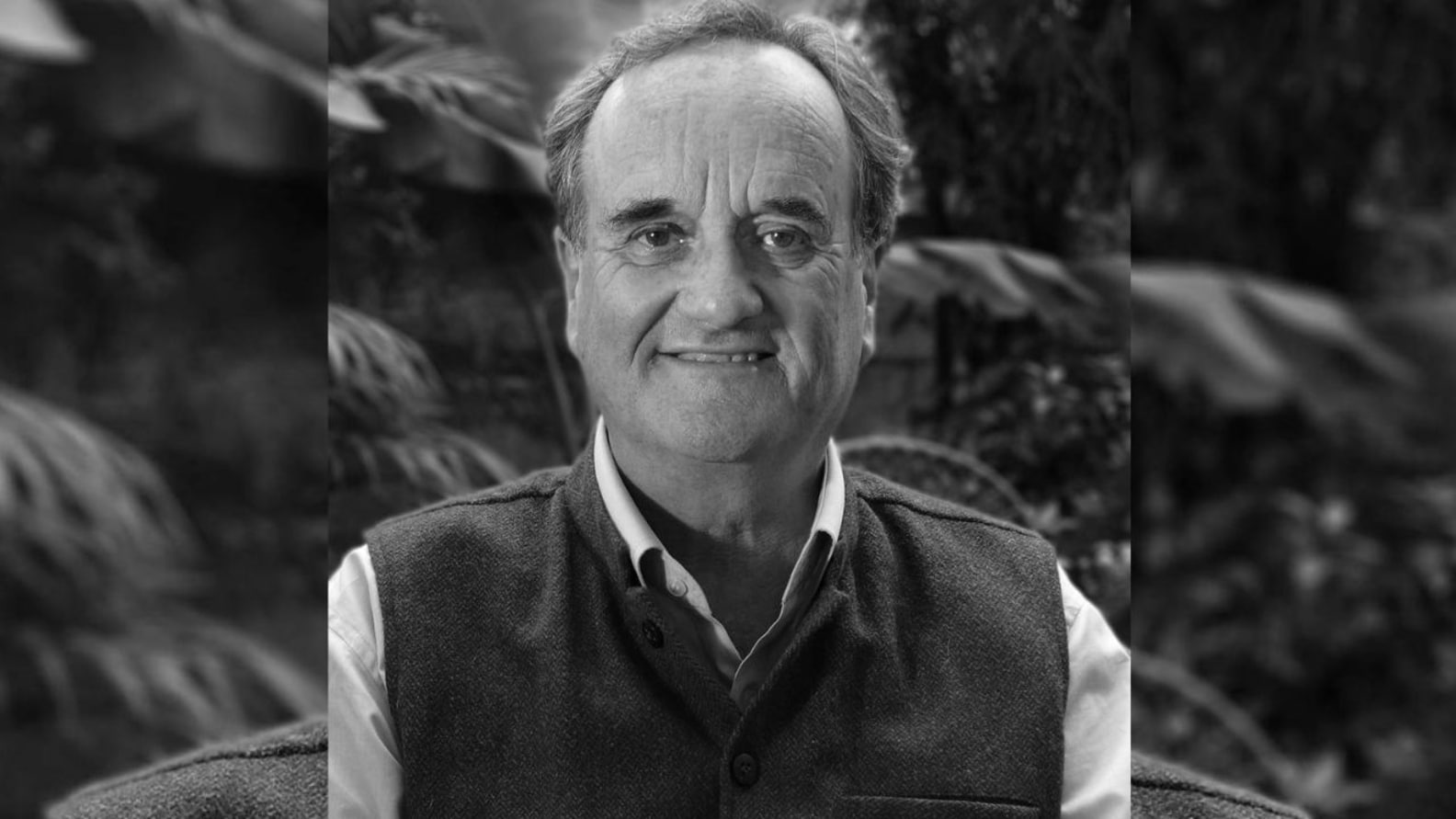

For decades, his calm and distinctive voice was familiar to audiences in Britain and across the world; born in Kolkata, he was fluent in Hindi, local culture. The renowned broadcaster and journalist Mark Tully, known as the BBC’s “voice of India”, died at the age of 90 on Sunday. For decades, his calm and distinctive voice was familiar to audiences in Britain, India, and across the world. He was widely respected for his deep reporting and thoughtful commentary on India.
During a long career with the BBC, Tully reported on some of India’s most turbulent moments. He covered wars, famine, riots and political assassinations. He also reported on the Bhopal gas disaster and the Indian army’s assault on the Golden Temple in Amritsar, in a profile after his death. His work was known for its balance and clarity. Many listeners trusted him to explain complex events with care and honesty, it added.
Tully received two of India’s highest civilian awards: the Padma Shri and the Padma Bhushan. Britain also recognised his contributions, knighting him in the 2002 New Year’s honours for services to broadcasting and journalism. Tully described the accolade as “an honour to India,”. In 1992, Tully found himself in serious danger while reporting from Ayodhya in northern India. He witnessed a large crowd of Hindu extremists demolish a centuries-old mosque. Some in the mob turned on him. They threatened him and shouted “Death to Mark Tully”. He was held in a locked room for several hours before being rescued by a local official and a Hindu priest. The mosque’s destruction led to widespread communal violence across India.
Years later, Tully described the event as the “gravest setback” to secularism since India gained independence in 1947. Mark Tully was born in 1935 in Calcutta (now Kolkata), then part of British-ruled India. He grew up during the final years of the British Raj. His father worked as a businessman. His mother was born in Bengal, where her family had lived for generations as traders and administrators.
She once scolded him for learning to count in Hindi from the family driver, saying, “That’s the servants’ language, not yours”. William Mark Tully, born in India but educated in Britain, had a “British childhood” and initially aimed to become a priest, even studying theology at Cambridge. After the Archbishop deemed him “not priest material,” he spent several years with an NGO before joining the BBC in 1964 as a personnel manager. In 1965, an unexpected opportunity arose to work in New Delhi as a junior administrative assistant. Embracing this turn of events, Tully said in an interview, “It was destiny. I was meant to return to India and it happened.” He soon became a BBC correspondent, covering India and its neighbours.
Despite this upbringing, Tully later learned Hindi fluently. This was unusual among foreign correspondents in Delhi. His command of the language helped him connect with ordinary people and senior figures alike. His affection for the country earned him the trust of politicians, editors and social activists across India. For many, he was not just a reporter, but a bridge between India and the wider world.
