

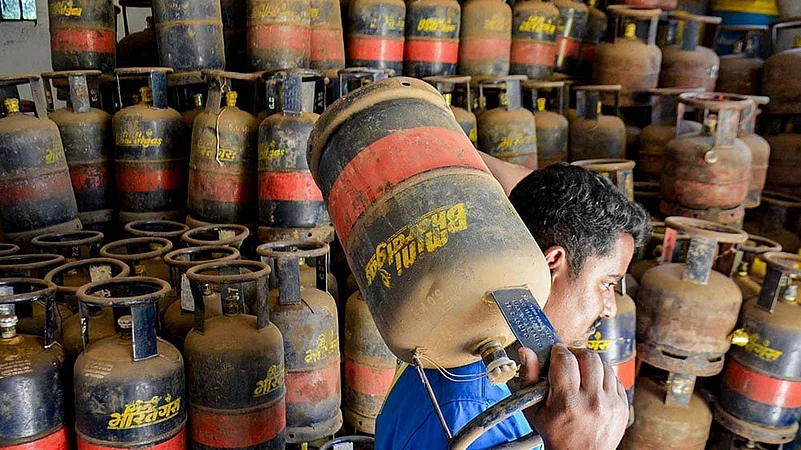

The government on Tuesday invoked the Essential Commodities Act, 1955, a law that allows authorities to regulate the production, supply and distribution of critical goods. The move comes amid a global energy crisis after Iran closed the Strait of Hormuz amid the ongoing war with US. India currently has around 332 million active LPG consumers, making the stability of cooking gas supplies a major concern for households and businesses alike, according to Reuters. The move comes as several major hotel owners’ associations in Mumbai, Bengaluru and Chennai have claimed shortages of commercial LPG cylinders.
What is the Essential Commodities Act, 1955?
The Essential Commodities Act (ECA) was introduced to ensure that goods critical to everyday life remain available to the public. If the supply of such goods is disrupted, it can affect the daily lives of citizens. To prevent this, the Act empowers the government to intervene and manage the supply of commodities deemed “essential”.
These typically include:
- Food items
- Fertilisers
- Drugs
- Fuel and energy products
What powers does the government get under the Act?
The most important authority under the law comes from Section 3 of the Act, which gives the Centre broad powers to regulate essential commodities.
Under these powers, the government can:
Control production or refining of essential goods if required
Regulate supply and distribution across different states
Fix prices or impose price caps to keep commodities affordable
Set stock limits for traders, wholesalers or retailers to prevent hoarding
In effect, the Act allows the government to step into the market and manage supply chains when normal market mechanisms fail to ensure availability.
Why has the government invoked the law now?
The immediate trigger is the disruption in LPG imports caused by the conflict in the Middle East. India is the world’s second-largest importer of LPG, consuming 33.15 million metric tonnes last year. A large share of this demand is met through imports. More than 80% of these imports pass through the Strait of Hormuz, a crucial maritime route for global energy trade.
However, ship movements through the strait have effectively come to a halt following the escalation of tensions in the region. The conflict was triggered on February 28, when the United States and Israel carried out joint strikes against Iran. With shipping through the strait disrupted, the impact is now being felt in India’s fuel supply chain.
Which sectors will get priority gas supply?
According to the government order, natural gas supplies will be prioritised for sectors that are critical to daily consumption and essential infrastructure.
These include:
Domestic Piped Natural Gas (PNG) supply
Compressed Natural Gas (CNG) used for transport
LPG production, including LPG shrinkage requirements
Pipeline compressor fuel
Other essential pipeline operational requirements
