

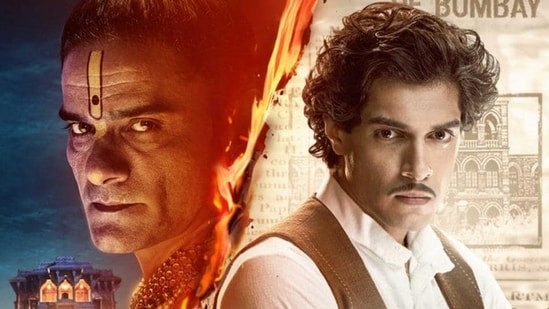

Justice Sangeeta K Vishen said the primary grievance by the petitioners was that the film runs down, defames, and insults a community has no force. The Gujarat high court on Friday lifted its temporary stay on the release of the film, ‘Maharaj’ by streaming giant Netflix, holding that the film Maharaj was based on events that to the 1862 Maharaj Libel Case and was not targeted on hurting the sentiments of any community. Justice Sangeeta K Vishen, who had barred the release of the movie on June 13, decided to let Netflix stream the movie on Friday after watching the film.“This court arrives at the prima facie conclusion that the film, Maharaj, is based on events that led to the filing of the libel case and is not targeted at hurting the sentiments of the Pushtimargi community. The film had been certified by the Central Board for Film Certification, an expert body after considering the relevant guidelines… The interim relief granted on June 13 has been vacated,” the court said. The film, originally slated for release on 14 release, was put on hold after the high court barred Netflix from streaming the movie after a group of businessmen petitioned the court on the ground that it had the potential to offend the religious sensibilities of a Vaishnavite community. The film Maharaj is based on a 2013 book by Gujarati writer Saurabh Shah on the landmark libel case of 1862 filed by a leading Vaishnavite figure, Jadunathji, against social reformer Karsandas Mulji who had written against sexual exploitation by the all-powerful Maharaj. Mulji’s expose of the exploitative practice in his magazine The Satyaprakash led to a libel case which became the celebrated Maharaj Libel Case. Justice Vishen said the primary grievance by the petitioners that the film runs down, defames, and insults the Vaishnavite community, has no force. “Thus his court is constrained to come to the conclusion that the apprehension of petitioners is based on surmises. Since the film is yet to be released for public viewing, thus on mere presumption, the freedom of expression guaranteed under Article 19 (1)(a) of the Constitution cannot be curtailed,” the court said. “The core message of the film. as rightly contended by the respondent, is that the film focuses on the social evil and fight for social reform by Karsandas Mulji who himself was from Vaishnavite community,” she said, dictating the order in open court. “The film in no manner affects or hurts religious feelings. The film concludes that the sect is far more important than any individual or incident. Treating this incident as an exception the Vaishnav sect and its followers continued to grow and remained a proud and integral part of the social, cultural and religious fabric of India. An apprehension is raised that it is likely to cause communal disharmony. However, the book was published in 2013 based on the same libel case and no incident has been reported. Even the petitioners have not made any submission that the book has caused any communal disharmony,” she said.
Trending
- Ex-India opener takes potshots at Riyan Parag’s appointment as Rajasthan Royals captain: ‘He’s treated like king’.
- ‘Restrain the Israelis first’: Joe Kent, who quit as Trump’s aide, on US President’s climbdown on Iran war.
- Psychiatrist shares ‘4 supplements that can naturally boost dopamine’.
- Trump reacts to ‘terrible’ LaGuardia airport crash as Canadian PM breaks silence: ‘They made a mistake’.
- What’s happening on US-Iran ‘talks’ as Trump makes big claim but Tehran denies.
- ‘Israel is fighting for you all’: Netanyahu urges global action as he visits missile strike site in Arad.
- Denied poll ticket, former Puducherry minister quits BJP.
- Air India cancels 2,500 flights to West Asia; CEO says airline operating at 30% capacity.
