

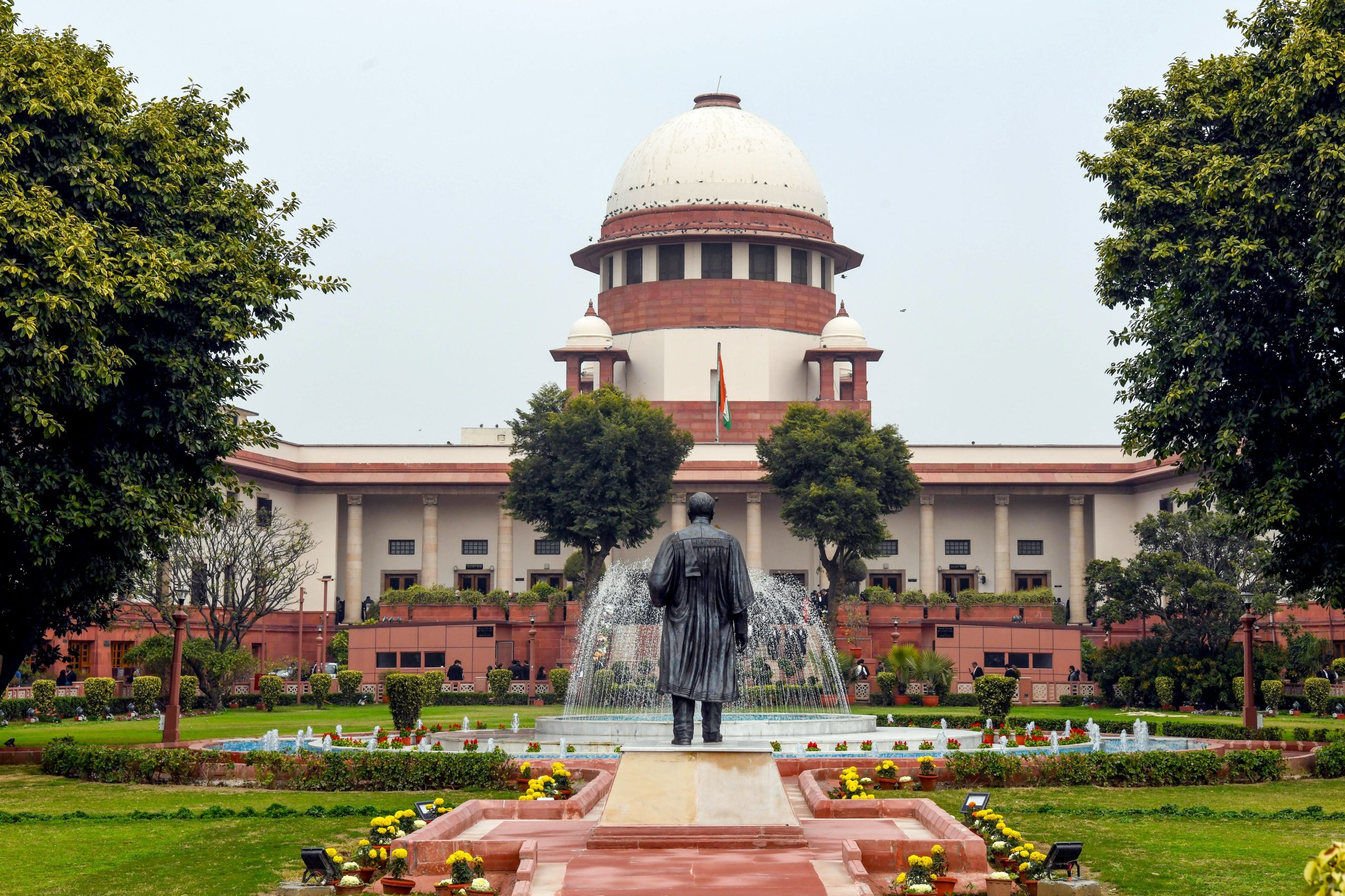

The National Council of Educational Research and Training has already pulled the new social science textbook from its website. After the Supreme Court raised objection over portions regarding judicial corruption in Class 8 CBSE textbooks, the NCERT may remove the chapter, a report cited sources as saying on Wednesday. The National Council of Educational Research and Training has already pulled the new social science textbook from its website. This came after a three-judge bench of the Supreme Court took suo motu cognisance of the “objectionable” statements regarding the judiciary in the NCERT textbooks, the government has not taken kindly to the matter, and the controversial parts may be removed from the books.
The bench, comprising Chief Justice of India Surya Kant and Justices Joymalya Bagchi and Vipul M Pancholi, took up the matter after senior advocate Kapil Sibal, alongside Abhishek Singhvi, flagged it for urgent consideration. The textbook has allegedly used data on case backlogs and lack of adequate number of judges, and even cited former CJI B R Gavai’s quote to highlight its point regarding “judicial corruption.” However, sources from the government said that data on corruption in the judiciary is available in parliamentary records and the national judicial data grid.
However, they said that the union law ministry was not consulted for cross-verification of the facts. Moreover, the quote by Gavai has allegedly been taken out of context in the book, and the former CJI is learnt to be unhappy over it. Gavai in July, 2025 said that instances of corruption and misconduct in the judiciary had a negative impact on public confidence. “However, the path to rebuilding this trust lies in the swift, decisive and transparent action taken to address and resolve these issues… Transparency and accountability are democratic virtues,” he has been cited as saying in the book.
CJI Kant raised a strong objection to the chapter on “judicial corruption”, while saying that nobody can be allowed to defame the judiciary and hurt its integrity.Following the SC taking cognisance of the matter, the NCERT reportedly called an internal meeting to review recommendations from subject experts who were involved in the chapter as well as those who approved it. The government sources said that while the NCERT is an autonomous body, those responsible for adding the chapters should have contemplated the matter. They said that if the issue of corruption had to be included, it should have been related to three organs – the executive, the judiciary and the legislature.
