


By targeting the GCC countries and blocking Straits of Hormuz, Iran has hit at global economy. After three weeks of US-Israel-Iran war, Tehran has fired more than 3000 different projectiles at the Gulf Cooperation Countries (GCC) and has inevitably deepened the Shia-Sunni divide in the Middle-East. By targeting UAE in particular with ballistic missiles, cruise missiles and drones, Iran has made all the six Sunni dominated GCC countries collateral damage to the US-Israel offensive, changed the dynamics of the Middle-East equation and hit at the heart of the concept of Ummah.
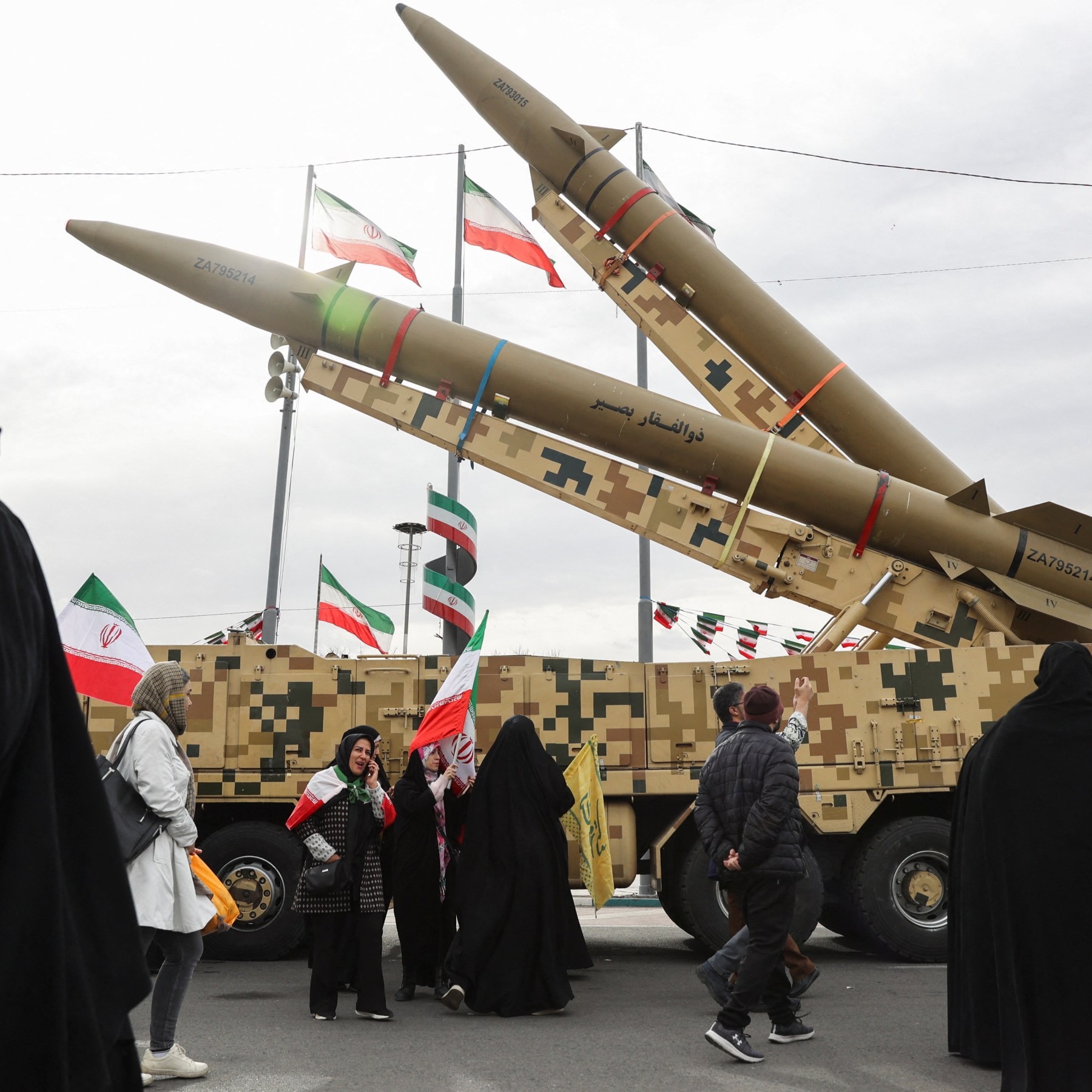
With Iran unveiling its intermediate range ballistic missiles used to target the US base at Diego Garcia, it is quite evident that Tehran was rapidly building its long range missile arsenal and would have used to target or threaten European countries in the near future. While Saudi Arabia has openly talked about loss of trust with Iran, the other GCC countries are seething with rage as their oil economies have been hit hard by the Iranian stand-off offensive and the six may retaliate in the worst case scenario.
While the US faces a daunting task of restoring freedom of navigation in the Straits of Hormuz, President Trump has now been assured support from European allies and Japan in re-opening the vital sea lanes of communication in the Persian Gulf. The US knows that it can only continue its war effort against Iran if the global oil traffic in Persian Gulf is restored. And this requires that US-Israel ensure that Iranian missiles towards shipping or oil infra in the Gulf are neutralized using anti-missile systems, aerial offensive or boots on the ground.
Even though Iranian leadership has been targeted by both US-Israel, the IRGC regime is showing no imminent signs of capitulating and continues to fire missiles at its principal adversaries and the Gulf countries. Clearly, Iran had already earmarked its targets (using GPS coordinates) in the Gulf region with the help of China and Russia prior to war as all the targets have been struck with precision. As Iran is using cluster bomb missiles against Israel, it is not very difficult to understand that Tehran has been experimenting with warheads with multiple independent reentry vehicles (MIRV) warheads as the next step. The MIRV missiles are very difficult to counter as all the smaller warheads get released at appropriate time simultaneously so that they cannot be intercepted by anti-ballistic missile defence.
