
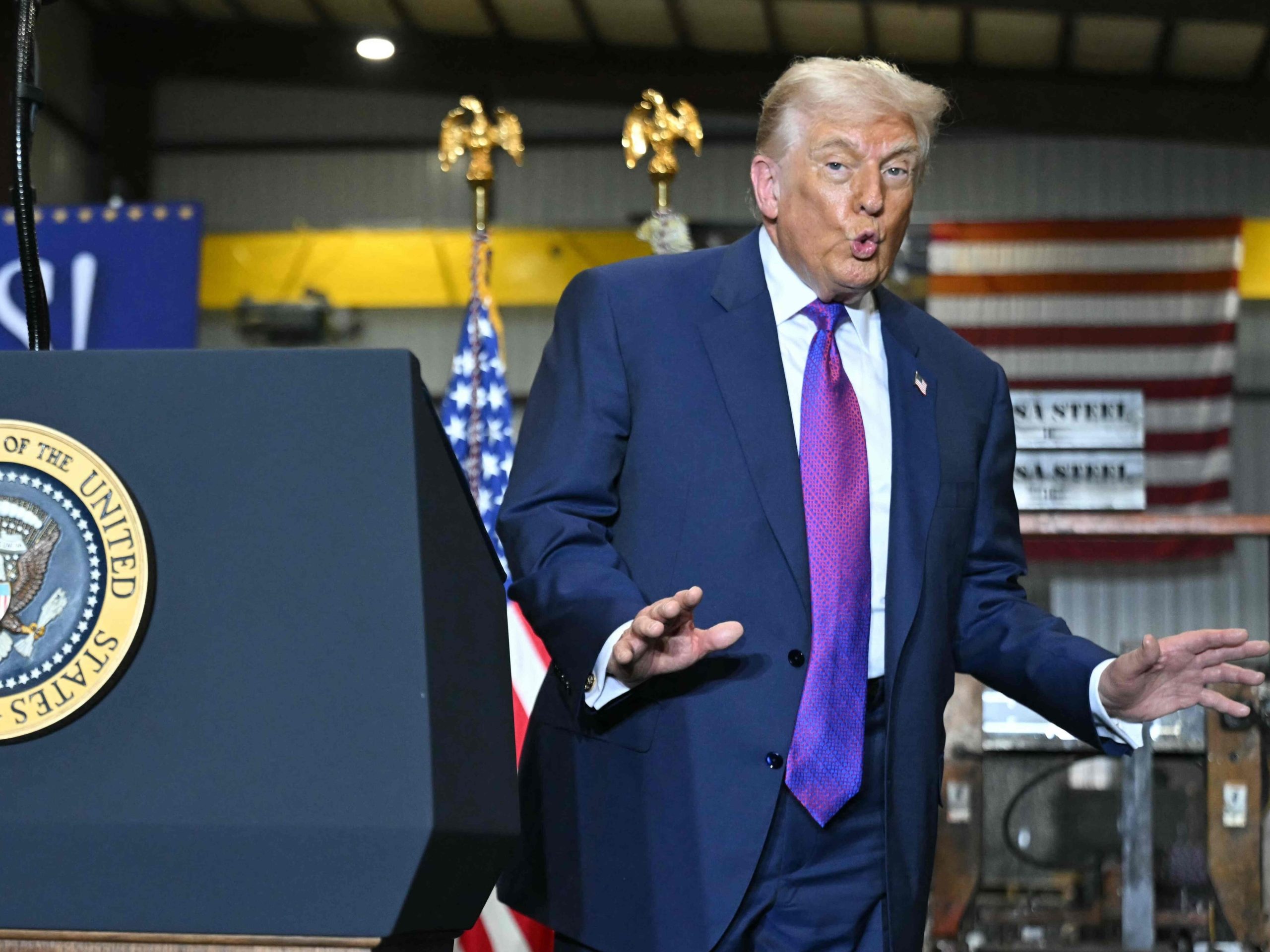

The 6-3 ruling is a big defeat for Trump’s coercive global trade policy, which caused widespread uncertainty and alienated allies since he began his second term. In a decision that strikes at the core of Donald Trump’s foreign policy based on trade-linked aggression, the US Supreme Court on Friday, February 20, struck down his sweeping global tariffs.
It was a 6-3 ruling which represents a significant defeat for Trump’s coercive global trade policy, which has caused widespread economic uncertainty and alienated allies since he began his second term. Chief Justice John Roberts wrote the majority opinion, stating that the President had exceeded his legal authority.
1977 law at its core
Trump had relied on a 1977 law, the International Emergency Economic Powers Act (IEEPA), to impose taxes on imported goods from almost all trading partners without seeking the approval of Congress. This included allies like Canada to India, the latter facing 50% tariff rate until recently before a trade agreement brought it down to 25% for now and to be down to 18% soon.
The US Constitution clearly assigns the power to issue taxes and tariffs to Congress, not the President. Roberts noted that any “extraordinary assertion” of such power requires “clear congressional authorisation”, which President Trump did not have. This decision ends the administration’s use of a law historically intended for freezing assets or imposing sanctions on enemies, rather than broad trade taxes.
Will tariffs be refunded now?
The legal challenge was brought by 12 US states and various businesses that argued the tariffs were an unprecedented overreach of power. Economists now estimate that the US government may have to refund more than $175 billion (£138 billion) collected under the IEEPA-based programme. Trump had previously claimed these tariffs were vital for national security and to address trade deficits, even using them as a tool to pressure countries on non-trade issues like drug trafficking.
He argued that without these taxes, the “rest of the world would laugh at us” and that the country would be “defenceless”. The President has indicated he will pursue a “Game Two” plan to maintain his trade agenda. Administration officials are exploring other legal justifications to keep some tariffs, such as rules involving national security threats or retaliating against unfair trade practices. However, these alternative legal routes lack the flexibility that the IEEPA provided.
This means the President may struggle to replicate the full scale of his original policy in a timely fashion. While some tariffs imposed under different laws remain in effect, this ruling effectively limits the President’s ability to use national emergency declarations as an instantaneous weapon in global trade.
