

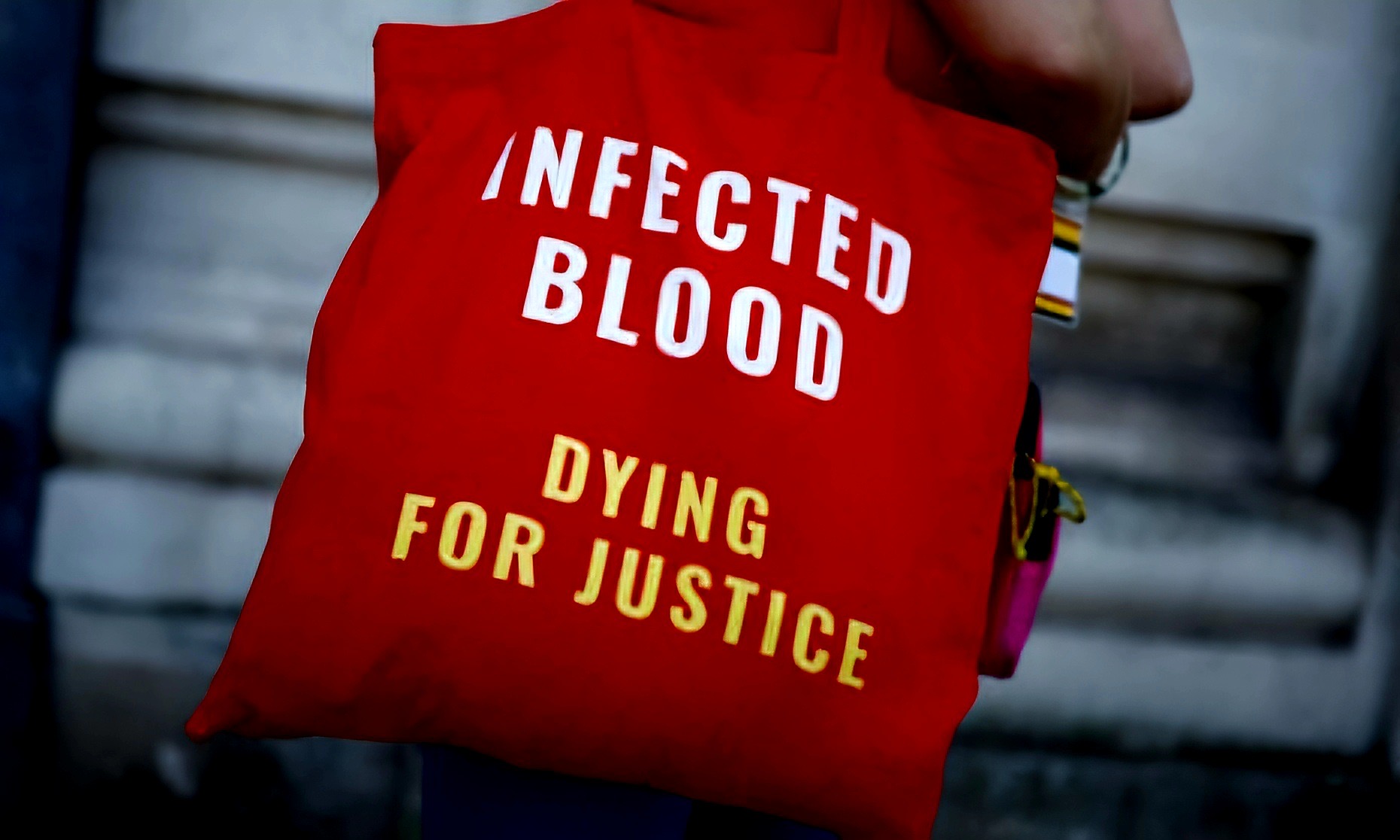

The long-awaited final report on the infected blood scandal is soon to be released in the UK. This incident is considered the deadliest to ever impact the National Health Service (NHS) since it was established in 1948. Infected blood scandal news Infected blood scandal led to the unfortunate deaths of more than 3,000 individuals and the infection of 30,000 others with HIV and hepatitis.These infections were a result of contaminated blood transfusions given during the 1970s and 1980s. After almost six years of investigation, the report is now ready to be unveiled. Infected blood scandal uk compensation UK Prime Minister Rishi Sunak expressed his sincere apologies to the numerous individuals who were affected by tainted blood during the scandal that spanned decades. Sunak addressed the House of Commons, labeling the revelations from the much-anticipated report as “a day of disgrace for the British government”.”Repeatedly, individuals in influential roles and positions of trust had the opportunity to prevent the spread of these infections but neglected to take action,” he remarked, pledging to provide compensation “regardless of the expense” to those impacted. The estimated total amount is projected to exceed 10 billion pounds ($12 billion). How did the infected blood scandal happen During the 1970s and 1980s, many individuals who required blood transfusions were exposed to contaminated blood containing hepatitis and HIV. A new treatment was called Factor VIII. It was used to assist with blood clotting in haemophiliacs. It had a particularly negative impact.The UK’s NHS began using Factor VIII in the early 1970s. The NHS believed it to be an innovative treatment, but it ultimately resulted in widespread infections.Factor VIII was created by combining plasma from numerous donations. This meant that if even one donor was infected, the entire batch could be compromised. As the demand for Factor VIII increased, the UK had to import it from the US.However, a significant portion of the plasma used in the US came from high-risk donors, such as prisoners and drug users. These all were paid to donate blood. This significantly heightened the risk of contamination.
Trending
- Ex-India opener takes potshots at Riyan Parag’s appointment as Rajasthan Royals captain: ‘He’s treated like king’.
- ‘Restrain the Israelis first’: Joe Kent, who quit as Trump’s aide, on US President’s climbdown on Iran war.
- Psychiatrist shares ‘4 supplements that can naturally boost dopamine’.
- Trump reacts to ‘terrible’ LaGuardia airport crash as Canadian PM breaks silence: ‘They made a mistake’.
- What’s happening on US-Iran ‘talks’ as Trump makes big claim but Tehran denies.
- ‘Israel is fighting for you all’: Netanyahu urges global action as he visits missile strike site in Arad.
- Denied poll ticket, former Puducherry minister quits BJP.
- Air India cancels 2,500 flights to West Asia; CEO says airline operating at 30% capacity.
